The Biological Benefits of Disconnecting in a Secluded Rural Environment

Most people looking into sexual addiction inpatient programs focus on the clinical methods used inside the building. Few ask what is happening outside of it. At Paradise Creek Recovery Center, set deep in the agricultural quiet of Malta, Idaho, the surrounding environment is a deliberate clinical choice — not a backdrop. The research on neuroplastic recovery in low-stimulation natural settings is clear: geography matters.

What Your Brain Does When the Noise Stops

Urban environments keep the nervous system in a near-constant state of low-grade alert. Traffic sounds, screen notifications, crowded spaces, and social performance demands all activate the amygdala and elevate cortisol. In people recovering from compulsive sexual behavior, this baseline stress state is not neutral — it directly interferes with the prefrontal cortex regulation needed for recovery. Research published in peer-reviewed environmental health journals confirms that exposure to natural environments measurably reduces cortisol and amygdala activation within hours. Removing the stimulus removes the interference.

Neuroplasticity Requires a Different Environment

Recovery from compulsive sexual behavior is fundamentally a neurological process. The brain must build new response pathways in place of deeply ingrained ones — a process neuroscientists call neuroplasticity. That rewiring is significantly harder to sustain in the same environments that reinforced the original behavior. Physical distance from habitual digital triggers, familiar relationships, and routine stress patterns creates the neurological space for new pathways to form. Studies on environmental enrichment and cognitive recovery confirm that low-threat natural settings directly support synaptic change and sustained emotional regulation.

A wide mountain valley under open sky surrounded by trees and Idaho wilderness

Daily Rhythms in a Low-Stimulus Environment

The recovery schedule at our facility includes daily structured outdoor time — not as an amenity, but as a clinical component. Morning walks through the surrounding agricultural land, exposure to natural light cycles, and the absence of ambient urban noise give the prefrontal cortex the conditions it needs to operate without suppression. The brain does not recover on command. It recovers when the conditions are right. Our environment is built to create those conditions from day one.

What Our Setting Provides That Most Programs Cannot

Our facility sits in the Snake River Plain, surrounded by open agricultural land, low population density, and direct access to quiet outdoor space. Residents are removed from the environments where compulsive behavior developed — from the devices, the anonymity, and the constant connectivity that feed escalation cycles. The absence of urban distraction is not a feature of rural life. For recovery from sexual addiction, it is a clinical variable. The setting gives your nervous system what most treatment facilities cannot: genuine quiet.

Choose a Setting That Works With Your Biology

The location of a treatment program is not separate from its clinical quality. For anyone dealing with compulsive sexual behavior, remote inpatient treatment, a structured residential environment, and access to natural surroundings are not optional extras — they are conditions that directly affect the biology of recovery. If you are ready to step away from the environments that reinforce the cycle, reach out to Paradise Creek Recovery Center. Our natural recovery setting in Malta, Idaho, is ready to support the next step.
Contact us today!

Physical Fitness and Brain Plasticity in Structured Residential Care Environments

Recovery involves healing both the brain and body. Inpatient sexual addiction treatment combines evidence-based therapy with healthy daily routines that support brain plasticity, helping residents develop stronger emotional regulation, healthier thinking patterns, and improved decision-making. Physical movement and outdoor activities play an important role in reinforcing these positive neurological changes throughout residential care.

The Connection Between Exercise and Brain Health

Brain plasticity refers to the brain's ability to adapt and form new neural pathways through repeated healthy experiences. Regular physical activity increases blood flow, supports healthy brain function, and encourages the release of chemicals associated with improved mood, focus, and emotional stability.

Walking, strength training, stretching, and other structured fitness activities help reduce stress while improving sleep quality and energy levels. These physical benefits create conditions that make therapeutic learning more effective during treatment sessions.

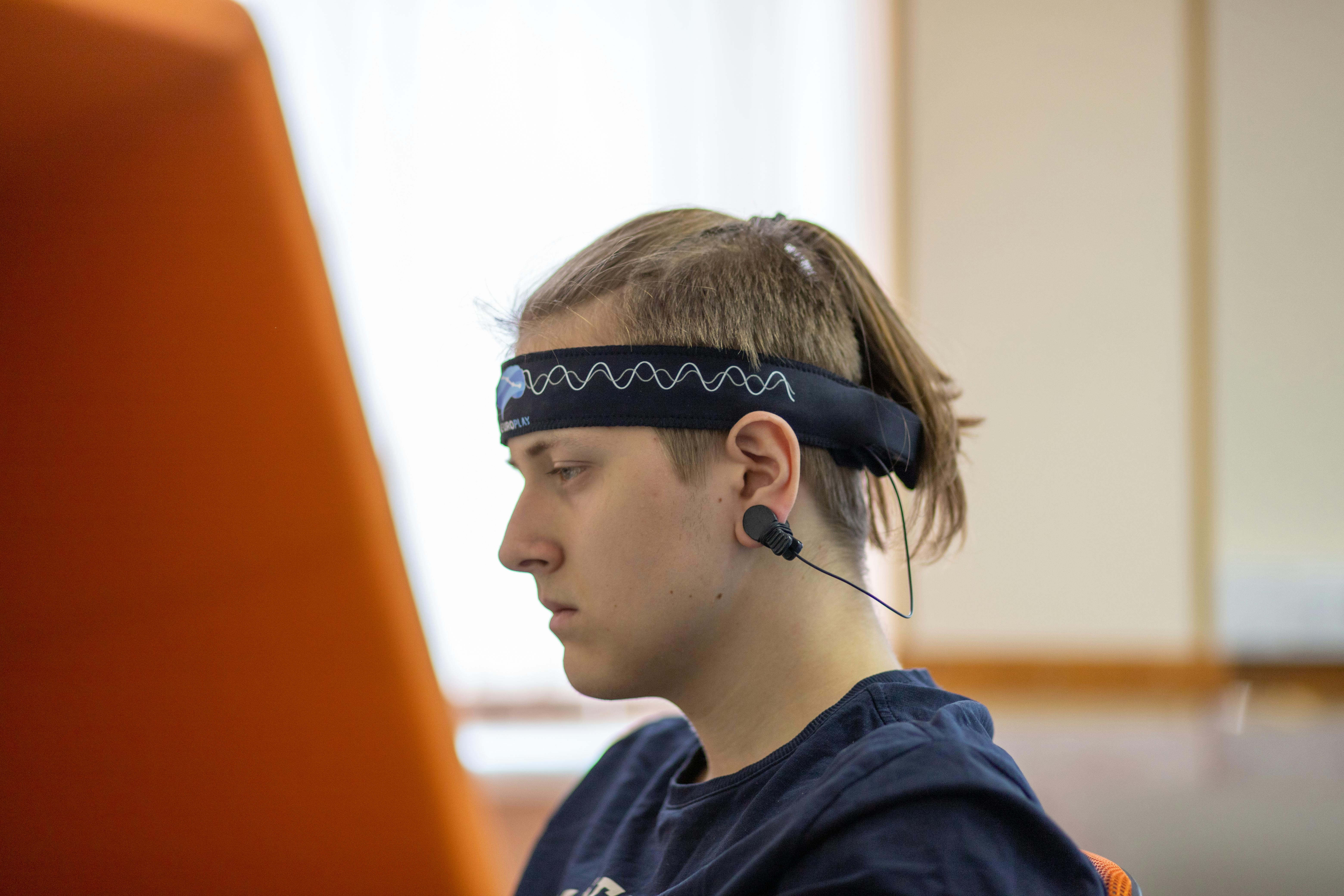
a man wearing a headband for a head examination

Nature and Structured Daily Routines

Time spent in peaceful outdoor settings can help reduce anxiety and improve concentration. A structured residential environment encourages residents to disconnect from unhealthy distractions while developing healthier daily habits through consistent schedules and meaningful activities.

Combining physical exercise with counseling, group therapy, educational sessions, and personal reflection allows residents to practice healthier responses throughout each day. Repetition strengthens these new habits, supporting long-term behavioral change after residential treatment concludes.

Healthy routines also improve confidence as residents recognize steady progress in both physical wellness and emotional resilience. These positive experiences reinforce commitment to recovery while strengthening overall well-being.

Supporting Long-Term Sobriety

Physical fitness is not simply an additional activity during treatment. It becomes part of a comprehensive recovery plan that strengthens coping skills, reduces stress, and supports continued neurological healing. Maintaining these healthy habits after treatment helps reinforce the progress made during residential care.

Build Healthier Habits That Last

Recovery becomes stronger when physical wellness and emotional healing work together every day. If you are considering sexual addiction inpatient programs or treatment programs, Paradise Creek Recovery Center offers a six-week residential treatment program in Idaho, combining structured clinical care, physical wellness, and evidence-based therapies that support lasting recovery and healthier lifelong habits. Contact us today or call (855) 305-6002.

How the 30-Task Model Provides an Exact Clinical Roadmap to Lasting Integrity

Recovery requires more than stopping unhealthy behaviors. A sexual addiction rehabilitation center helps residents build lasting integrity through structured clinical methods that strengthen accountability, emotional awareness, and responsible decision-making. One example is the 30-Task Model, a step-by-step framework designed to guide meaningful personal change while supporting long-term recovery.

Building Self-Awareness Through Structured Tasks

The 30-Task Model divides recovery into manageable objectives that encourage residents to examine thoughts, behaviors, personal history, and decision-making patterns. Instead of becoming overwhelmed by the recovery process, individuals complete one task at a time while developing practical skills for healthier living.

Residents are encouraged to identify emotional triggers, recognize distorted thinking, accept responsibility for harmful behaviors, and strengthen personal values. Each completed task builds greater insight while reinforcing consistent progress throughout treatment.

Strengthening Accountability

Accountability remains a central focus throughout the model. Residents participate in individual counseling, group discussions, written assignments, and regular feedback sessions that encourage honesty and personal responsibility. These activities help individuals replace secrecy with openness while developing healthier responses to difficult emotions.

The structured format also allows therapists to monitor progress, identify areas needing additional support, and reinforce positive behavioral changes before residents return home. Consistency across every task promotes confidence while reducing the likelihood of returning to previous unhealthy patterns.

people sitting together in group therapy

Preparing for Long-Term Success

The final stages of the model emphasize maintaining progress after residential treatment. Residents create relapse prevention plans, strengthen communication skills, establish healthy routines, and identify support systems that encourage continued accountability.

This preparation helps individuals respond effectively to future stress without relying on unhealthy coping methods. Recovery becomes an ongoing commitment supported by practical daily habits rather than temporary motivation alone.

Create a Foundation for Lifelong Recovery

The 30-Task Model provides a clear framework for building integrity through personal responsibility, emotional growth, and consistent accountability. If you are considering sexual addiction inpatient programs or a rehabilitation inpatient center, Paradise Creek Recovery Center offers a six-week residential treatment program in Utah, providing evidence-based care that supports lasting behavioral change, stronger character, and meaningful recovery. Contact us today or call (855) 305-6002.

Navigating Intense Shame and Guilt During Your First Week of Residential Treatment

The first days of rehab for sex addiction often bring powerful emotions that have been hidden for months or years. Many residents experience shame, guilt, fear, and uncertainty as they begin facing behaviors that affected themselves and others. These feelings are common and can become an important part of meaningful recovery when addressed with professional support. Allowing these emotions to surface in a structured therapeutic environment helps residents develop healthier coping skills, build emotional resilience, strengthen self-awareness, and prepare for lasting personal growth over time.

Understanding Early Emotional Responses

Shame often causes people to believe they are defined by their past actions, while guilt focuses on regret over harmful choices. Recognizing this difference can help residents begin separating their identity from their behaviors. Treatment encourages honest self-reflection without allowing shame to prevent personal growth.

Many individuals also experience anxiety as routines change and distractions disappear. Residential care provides a structured environment where these emotions can be processed safely with therapists and peers who understand similar struggles.

 a man lying on the sofa in therapy

Processing Difficult Feelings in Healthy Ways

Trauma-informed care recognizes that unresolved emotional pain frequently contributes to compulsive behaviors. Therapeutic approaches such as EMDR, individual counseling, group therapy, and guided reflection help residents process difficult memories while reducing emotional distress.

Practicing honesty, accepting accountability, and fully participating in treatment sessions help residents replace self-condemnation with healthier perspectives. Small daily accomplishments gradually build confidence while encouraging emotional stability throughout the recovery process.

Support from trained professionals also reminds residents that healing takes consistent effort rather than perfection. Learning healthy coping skills prepares individuals to respond more effectively when uncomfortable emotions arise after treatment.

Start Healing with Compassionate Support

The first week of treatment can feel emotionally overwhelming, yet those early challenges often create the foundation for meaningful personal change. If you are considering sexual addiction inpatient programs or rehab for inpatient sex addiction, Paradise Creek Recovery Center in Idaho provides a six-week residential treatment program exclusively for men, offering compassionate, evidence-based care that helps clients process difficult emotions, strengthen accountability, and build lasting recovery. Contact us today or call (855) 305-6002.

Clinical Differences Between Online Pornography Dependency and Physical Sexual Behaviors

Many people assume online pornography dependency and physical sexual behaviors require identical treatment, but important clinical differences exist. Porn addiction rehabilitation often focuses on compulsive digital habits, while pornography treatment inpatient centers may also address trauma, emotional regulation, and unhealthy coping patterns that contribute to repetitive online behavior. Recognizing these differences helps clinicians select therapies that better match each person's symptoms, behavioral history, and long-term recovery needs.

Understanding Digital Dependency

Online pornography dependency is often driven by immediate accessibility, anonymity, and repeated exposure to highly stimulating content. Over time, these patterns can condition the brain to seek frequent digital stimulation, making it difficult to manage urges without professional support.

Physical sexual behaviors may involve different interpersonal challenges, relationship consequences, or risk factors. However, both conditions can affect emotional health and daily functioning; the triggers, routines, and recovery strategies are not always the same. Personalized assessment helps determine which therapeutic interventions are most appropriate for lasting behavioral change and emotional stability.

a man sitting frustrated in therapy

Why Treatment Approaches Differ

Effective treatment begins with identifying the underlying causes of compulsive behavior. Many individuals struggling with digital dependency also experience unresolved trauma, anxiety, depression, or chronic stress. Addressing only the visible behaviors without treating emotional factors may increase the likelihood of relapse.

Trauma-informed care and therapies such as EMDR can help individuals process distressing experiences while reducing emotional triggers connected to compulsive behaviors. Cognitive behavioral therapy, group counseling, accountability practices, and healthy lifestyle changes also strengthen long-term recovery. Regular progress evaluations allow treatment teams to adjust therapeutic strategies as recovery goals continue developing throughout residential care.

Treatment plans should focus on replacing unhealthy coping methods with practical emotional regulation skills that remain effective after residential care ends.

Break Free from Compulsive Digital Behaviors

Recovery requires understanding the specific challenges behind compulsive digital behaviors rather than applying the same approach to every individual. If you are considering porn addiction inpatient treatment or rehab for inpatient porn addiction, Paradise Creek Recovery Center in Utah provides a six-week residential treatment program, combining trauma-informed therapies with evidence-based care that supports healthier habits, emotional healing, and lasting recovery. Contact us today or call (855) 305-6002.

Healing From Betrayal Trauma by Understanding Partner Emotional Safety Protocols

Healing after betrayal affects both partners in different ways. Therapy for betrayal inpatient trauma helps individuals understand how broken trust can create emotional responses similar to post-traumatic stress. Inpatient sexual addiction treatment also teaches residents practical ways to support their partner's emotional safety throughout long-term recovery. Learning to respond with patience, honesty, empathy, and consistent accountability helps reduce fear, encourages emotional stability, supports healthy communication, strengthens rebuilding efforts, and creates a more secure foundation for the relationship over time.

Understanding Betrayal Trauma

The non-offending partner may experience anxiety, intrusive thoughts, sleep disturbances, emotional numbness, or constant worry after learning about compulsive sexual behaviors. These reactions are normal responses to broken trust rather than signs of weakness. Emotional healing often requires time, patience, and consistent reassurance from the recovering partner.

Recovery does not happen through promises alone. Reliable actions repeated over time help rebuild confidence and reduce uncertainty within the relationship.

a woman upset with her husband in couples therapy

Supporting Emotional Safety

Residents can strengthen emotional safety by maintaining honesty, following agreed accountability measures, and communicating openly about recovery progress. Respecting healthy boundaries and responding calmly during difficult conversations also supports healing.

Consistency is especially important. Attending therapy sessions, participating in support groups, and following treatment recommendations demonstrate ongoing commitment. Small, dependable actions often restore trust more effectively than occasional grand gestures.

Partners should also recognize that healing timelines may differ. Allowing space for emotions without becoming defensive encourages healthier communication while reducing unnecessary conflict.

Moving Forward Together

Long-term recovery focuses on restoring emotional stability alongside personal accountability. Both individuals benefit when expectations remain realistic, and communication stays respectful. Professional counseling provides additional guidance as couples continue rebuilding their relationship after residential treatment.

Help Restore Emotional Safety and Trust

Healing from betrayal requires patience, honesty, and consistent effort from both partners. If you are considering sexual addiction inpatient programs or treatment, Paradise Creek Recovery Center offers a six-week residential treatment program exclusively for men, helping clients strengthen accountability while supporting healthier relationships, emotional stability, and lasting recovery. Contact us today or call (855) 305-6002.


Effective Relapse Prevention Strategies for Sustained Marital and Relationship Recovery

Healing relationships after residential treatment requires consistent effort from both partners. Couples therapy for sex addiction can strengthen communication, rebuild trust, and support healthy routines that reduce relapse risk after returning home. Recovery continues through daily choices that reinforce accountability and emotional connection. Maintaining regular support, honest conversations, shared goals, and healthy boundaries helps couples respond constructively to challenges while encouraging stability, confidence, mutual respect, and long-term relationship growth together.

Establish Healthy Boundaries

Clear boundaries provide structure during the adjustment period. Couples should openly discuss expectations regarding technology use, personal accountability, financial transparency, and social situations that could trigger compulsive sexual behaviors. Written recovery agreements can reduce misunderstandings while giving both partners confidence in the recovery process.

Regular check-ins encourage honest conversations without placing blame. Setting aside dedicated time each week creates opportunities to discuss successes, concerns, and emotional needs before frustration builds.

Build Consistent Communication Habits

Open communication strengthens emotional safety within the relationship. Partners should practice active listening, express concerns respectfully, and avoid criticism during difficult conversations. Addressing small issues promptly helps prevent resentment from growing over time.

Continuing individual therapy, support groups, and relationship counseling reinforces progress made during residential treatment. Maintaining these supports encourages healthy coping skills while reducing isolation and emotional distress that may contribute to relapse.

a couple sitting down for a therapy session

Prioritize Long-Term Recovery

Recovery plans should include healthy daily routines such as exercise, quality sleep, balanced nutrition, stress management, and meaningful activities shared as a couple. Celebrating milestones together encourages continued commitment while strengthening mutual encouragement.

Relapse prevention also includes recognizing personal warning signs early. Increased secrecy, emotional withdrawal, or avoiding recovery activities may signal the need for additional professional support before problems become more serious.

Rebuild Trust with Professional Support

Strong relationships develop through honesty, patience, and consistent action after residential treatment ends. If you are considering inpatient sex addiction treatment programs, Paradise Creek Recovery Center offers a six-week residential treatment program, helping clients build lasting recovery while strengthening trust, communication, and healthier relationships for the future. Contact us today or call (855) 305-6002.

Utilizing Neurofeedback Technology to Manage Physiological Stress and Anxiety Triggers

Many sex addiction treatment programs incorporate brain-based therapies to help individuals better regulate emotional and physical stress responses. Inpatient sexual addiction treatment may also include neuro-feedback technology, giving residents practical tools to recognize and reduce automatic reactions linked to anxiety, compulsive behaviors, and past emotional experiences. These measurable improvements help residents better understand how emotional distress affects the brain and daily decision-making over time.

How Neuro-Feedback Works

Neuro-feedback is a noninvasive technique that monitors brainwave activity through sensors placed on the scalp. The system provides immediate feedback while the brain performs specific tasks. As participants receive this information, they gradually learn to regulate brain activity associated with heightened stress, impulsivity, and emotional discomfort.

Rather than using medication alone, neuro-feedback encourages the brain to develop healthier response patterns through repeated practice. Over time, many individuals experience improved focus, better emotional regulation, and greater resilience during stressful situations. Sessions are supervised by trained professionals who monitor progress and adjust training goals according to individual therapeutic needs.

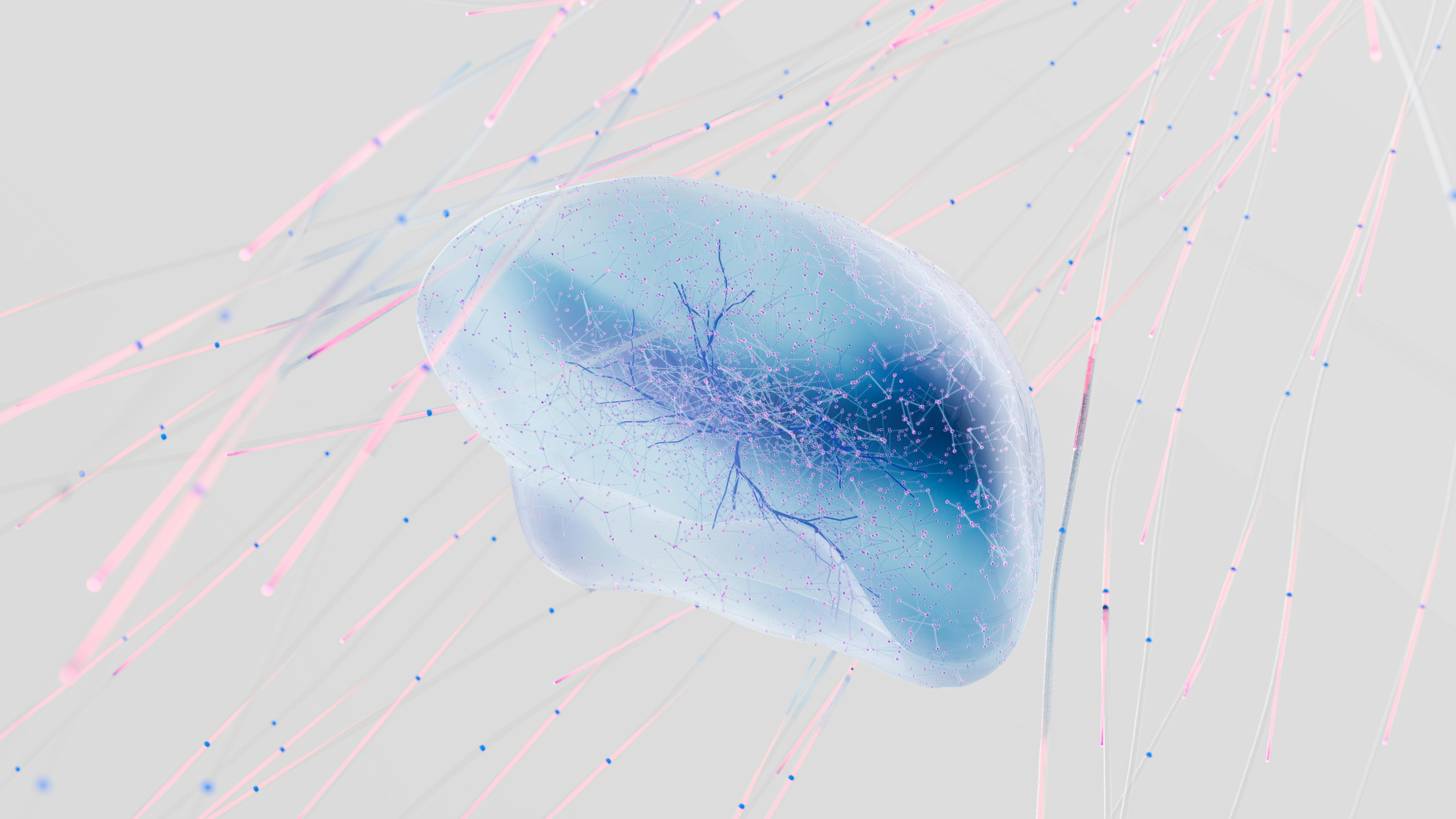
a brain illustration with neurons around it

Supporting Recovery Through Brain Training

People struggling with compulsive sexual behaviors often experience strong physiological reactions when faced with emotional triggers. Increased heart rate, muscle tension, racing thoughts, and anxiety may reinforce unhealthy coping patterns. Neurofeedback helps residents recognize these responses while practicing healthier regulation skills in a structured therapeutic setting.

This technology is commonly combined with counseling, trauma-focused therapies, group sessions, and wellness activities. Addressing both neurological function and emotional health creates a more comprehensive approach to lasting recovery rather than focusing only on outward behaviors. Consistent participation reinforces healthier coping skills that remain valuable during treatment and after returning to everyday responsibilities.

Regain Control Through Professional Care

Recovery involves strengthening both the mind and body so stressful situations no longer control daily decisions. Neuro-feedback technology supports that goal by helping individuals build healthier brain responses through consistent practice. If you are considering inpatient sexual addiction treatment programs, Paradise Creek Recovery Center offers a six-week residential treatment program, combining evidence-based care with advanced therapeutic approaches that support meaningful, long-term healing. Contact us today or call (855) 305-6002.

Warning Signs of Progressive Sexual Compulsion and Digital Escalation Patterns

Many people benefit from sexual addiction recovery programs after recognizing that compulsive behaviors have moved beyond occasional habits. Families often notice gradual changes before the individual acknowledges a growing problem. Paying attention to these warning signs can encourage timely support and reduce long-term emotional, relational, and neurological effects. Early recognition also creates opportunities for honest conversations, professional evaluation, and healthier coping strategies before compulsive patterns become more disruptive to daily responsibilities, relationships, and overall well-being.

Behavioral Changes That May Signal Addiction

One common sign is spending increasing amounts of time viewing explicit material or engaging in secretive online activities. Failed attempts to stop despite personal promises may also indicate compulsive behavior. Individuals might withdraw from loved ones, lose interest in hobbies, or become unusually defensive when questioned about their digital habits.

Another concern is escalation. Content that once felt satisfying may no longer produce the same response, leading to longer sessions or more extreme material. This pattern reflects changes in the brain's reward system, making self-control increasingly difficult over time.

a man sitting on the bed holding his head in frustration

Emotional and Daily Life Indicators

Mood swings, irritability, guilt, or anxiety after acting on compulsive urges are additional warning signs. Work performance, finances, academic responsibilities, or personal relationships may begin to suffer. Some individuals isolate themselves, neglect responsibilities, or prioritize compulsive behaviors over meaningful connections.

Family members should also watch for repeated dishonesty about internet use, unexplained absences, disrupted sleep schedules, or frequent use of private devices. While one behavior alone does not confirm addiction, several occurring together may suggest professional assessment is appropriate.

Take the First Step Toward Recovery

Recognizing these patterns early gives individuals and families greater opportunities to seek effective care before problems continue worsening. Professional treatment can address both compulsive behaviors and the underlying emotional factors contributing to them. If you are considering inpatient sex addiction treatment, Paradise Creek Recovery Center in Idaho provides compassionate, evidence-based care through a six-week residential treatment program designed exclusively for men, helping clients build healthier habits and lasting recovery. Contact us today or call (855) 305-6002.

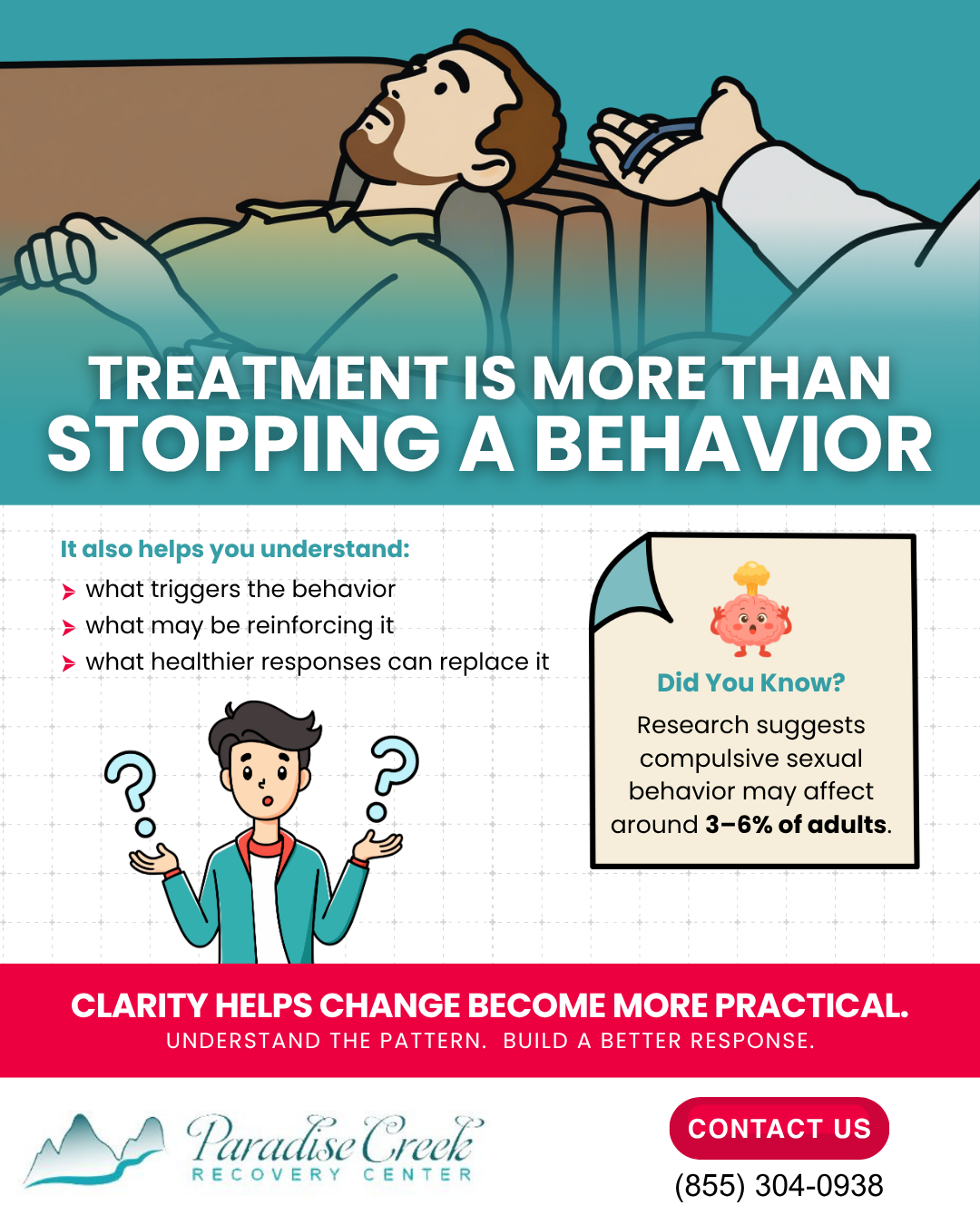
Treatment is more than stopping a behavior

Treatment is more than stopping a behavior infographic by Paradise Creek Recovery Center explaining how therapy helps identify triggers, reinforcement patterns, and healthier responses for compulsive sexual behavior recovery.