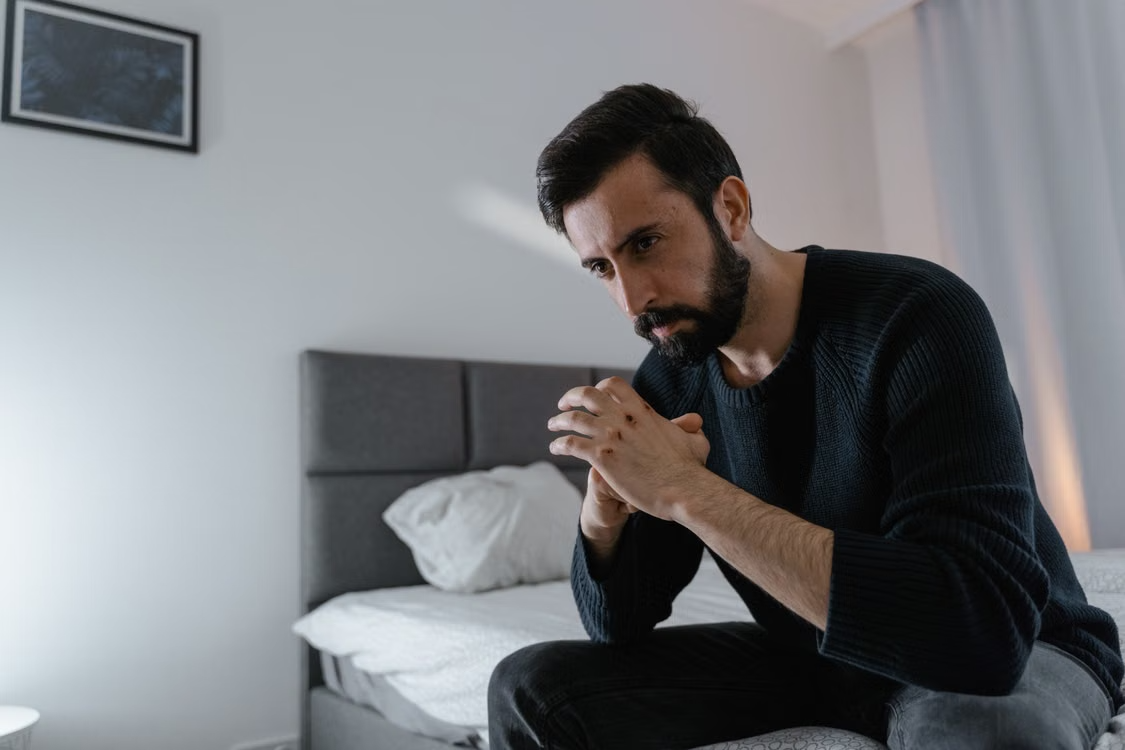
Partners of people with sex and pornography addiction often describe the same experience. One moment, life felt familiar. The next, everything changed. The discovery of a spouse’s hidden pornography addiction or sexual acting out does not simply bring information. It brings a rupture that reshapes everything the partner thought was true about their marriage, their history, and their own judgment.
What that partner is experiencing has a name. It is called betrayal trauma, and it is a recognized, documented psychological response to the specific kind of harm that comes from discovering sexual betrayal within a committed relationship.
This article is written for partners. Not primarily for the person in addiction, though understanding their partner’s experience may support their own recovery. This is for the person who is sitting with a phone full of screenshots, or lying awake trying to reconstruct a timeline that no longer makes sense, or trying to hold their family together while feeling like the ground has disappeared beneath them.
You are not overreacting. What you are experiencing is real. And there is a path forward.
What Is Betrayal Trauma?
Betrayal trauma is a term developed by psychologist Jennifer Freyd to describe the psychological harm that occurs when a person who depends on another for safety, support, or connection is betrayed by that person in a fundamental way. In the context of sex and pornography addiction, betrayal trauma occurs when a partner discovers that the person they trusted most has been hiding a significant secret life.
What makes betrayal trauma distinct from other forms of hurt or disappointment is the relational context in which it occurs. The betrayal does not happen between strangers or acquaintances. It happens within a marriage or committed partnership, in a relationship built on the premise of honesty, fidelity, and mutual care. The violation of that premise is not simply painful. It is disorienting in a way that is difficult to describe to someone who has not experienced it.
There is also a particular double bind at the heart of betrayal trauma. In most difficult experiences, a person can turn to their closest relationships for support. When the source of the trauma is the closest relationship in a person’s life, that natural pathway for support is blocked. The person who caused the harm is also the person the partner would normally call. This dynamic is one of the defining features of betrayal trauma and one of the reasons partners often feel profoundly alone.
Clinical Note: Betrayal trauma is not a sign of weakness or instability. It is a predictable psychological and physiological response to the specific kind of harm caused by intimate betrayal. Partners experiencing betrayal trauma need and deserve their own therapeutic support, independent of any treatment the person in addiction may be receiving.
How Is Betrayal Trauma Different From PTSD?
Betrayal trauma and post-traumatic stress disorder share many features, and many clinicians understand betrayal trauma as a trauma response that closely resembles PTSD in its symptom profile. Both can involve intrusive thoughts, hypervigilance, emotional flooding, sleep disruption, and significant impairment in daily functioning.
The key distinction is relational and temporal. PTSD is typically triggered by a discrete event or series of events involving a threat to physical safety. Betrayal trauma is triggered by the violation of relational trust, often across an extended period that the partner was entirely unaware of. The trauma is not simply what was discovered. It includes the realization of how long the deception occurred, how many opportunities the partner’s spouse had to be honest, and how thoroughly the partner’s understanding of their own marriage had been built on hidden information.
Many partners also experience what clinicians describe as ongoing traumatization. Because the person who caused the betrayal is often still present in the home, and because working through the relationship requires continued contact with that person, the trauma does not exist only in the past. It continues to be activated in the present through additional disclosures, through relational triggers, and through the ongoing uncertainty of recovery.
Related reading: Betrayal Trauma vs PTSD: Key Differences and Paths to Healing
How Does a Partner Experience Betrayal Trauma?
Betrayal trauma does not present identically in every person, but there are common patterns that clinicians working in this specialty encounter consistently. Understanding these patterns helps partners recognize what they are experiencing and helps the people who love them understand why their response is what it is.
The Moment of Discovery
Discovery of a partner’s pornography addiction or sexual acting out can happen in many ways. Some partners find pornography on a shared device or in a browser history. Some discover credit card charges, dating site profiles, or private messages. Some are told by a third party. Some receive a formal disclosure as part of a structured treatment process known as therapeutic disclosure.
Regardless of how discovery occurs, the immediate experience is typically shock. The nervous system responds to the information as a threat, triggering the same physiological response that would accompany a physical danger. Heart rate increases. The mind races or goes blank. Some partners describe a sense of watching the moment from outside themselves. In the hours, days, and weeks that follow, the emotional reality of what has been discovered settles in gradually, in layers, often cycling back and forth between disbelief and devastation.
Common Symptoms of Betrayal Trauma
Partners experiencing betrayal trauma often describe symptoms they do not recognize as a trauma response. Many partners wonder whether they are overreacting, whether their intensity of feeling is appropriate, or whether something is wrong with them. These are predictable consequences of the experience, not signs of instability.
Common symptoms include:
- Intrusive thoughts and unwanted mental images related to the discovered behavior, which arrive without warning and are difficult to stop
- Hypervigilance, including compulsive checking of a partner’s phone, browser history, location, or behavior as a way of trying to feel safe
- Emotional flooding, including sudden waves of grief, rage, or despair that feel disproportionate to the immediate situation but are responses to ongoing trauma activation
- Disrupted sleep, including difficulty falling asleep, staying asleep, or vivid and disturbing dreams
- Physical symptoms including nausea, appetite changes, chest tightness, headaches, or difficulty breathing
- Difficulty concentrating or functioning at work, in parenting, or in other daily responsibilities
- Alternating between a strong desire to leave the relationship and an equally strong desire to repair it, sometimes within the same hour
- A sense of unreality or dissociation, as if the life they knew is no longer legible or the person they were married to is a stranger
- Shame, self-blame, or questioning of their own desirability, worth, or competence as a partner
- Difficulty trusting their own perceptions, particularly if the period of active addiction included gaslighting or minimization
Why Do Partners Often Feel Like They Are Going Crazy?
One of the most consistent and painful experiences partners describe is a feeling that they are losing their mind. This often has a specific origin in the history of the relationship rather than in any instability on the partner’s part.
During the period of active addiction, many individuals with sex or pornography addiction minimized, denied, deflected, or rationalized their behavior when confronted by a partner’s concerns. When a partner expressed worry about emotional distance, about secrecy, about something that seemed wrong in the relationship, they may have been told they were being insecure, paranoid, overly sensitive, or imagining things. Over months or years, these responses erode a partner’s confidence in their own perception.
When the truth is finally disclosed, the partner faces a painful reckoning: their instincts were correct all along, and they had been systematically encouraged to distrust them. The sense of disorientation this produces is not a mental health crisis. It is a predictable response to sustained deception within an intimate relationship.
Clinical literature on betrayal trauma identifies this erosion of self-trust as one of the most important areas to address in partner recovery. Rebuilding trust in one’s own perceptions is a core therapeutic goal for many partners, and it takes time, support, and consistent validation from a trained clinician.
For Partners: If you have been told that your concerns were unreasonable, that your intuition was wrong, or that you were too sensitive to your spouse’s behavior, you are not alone in that experience. Many partners describe exactly this. A therapist trained in betrayal trauma can help you reconnect with your own perceptions and rebuild confidence in what you know to be true.
Is It Normal to Still Love Someone Who Has Betrayed You?
Yes. And for many partners, this is among the most confusing and painful parts of the experience.
Loving someone who has caused profound harm does not mean the harm was acceptable. It does not mean the partner is making a weak or foolish choice. Attachment to a long-term partner is a deep psychological and neurobiological reality. Love is not a conclusion that can be withdrawn simply because new information has arrived. For many partners, the love they feel is one of the most painful elements of betrayal trauma because it exists alongside grief, rage, confusion, and loss in a way that does not resolve cleanly.
Therapists who specialize in this area describe the damage betrayal trauma causes as an attachment injury. The betrayal has fractured the attachment bond between partners, but it has not necessarily severed it. Whether and how that bond can be repaired depends on many factors, including the genuine commitment of the person in addiction to recovery, their willingness to take full accountability, and the partner’s own therapeutic process.
Partners do not need to decide quickly what the future of the relationship looks like. Stabilization, support, and time are more important in the early stages than reaching a conclusion.
Related reading: Creating Healthy Boundaries After Learning About a Partner’s Addiction
What Does the Recovery Path Look Like for Partners?
Partner recovery from betrayal trauma is not a single event. It is a process that unfolds over time in stages, each requiring different things from the partner and from the therapeutic support they receive.
Stabilization and Safety
The first priority in partner recovery is stabilization. This means addressing the partner’s immediate emotional and physical safety, establishing basic regulation of the nervous system, and creating enough stability for the person to function in daily life. This stage is not about making permanent decisions about the relationship. It is about surviving the initial shock and establishing ground beneath the partner’s feet.
Therapists working in this phase typically help partners identify grounding techniques, establish clear personal boundaries, understand their own trauma response, and begin sorting through the information they have received in a paced and supported way. Full therapeutic disclosure, when it is part of the treatment process, is typically conducted with clinical support present for exactly this reason.
Processing the Trauma
Once stabilization has been established, the deeper work of processing the traumatic experience can begin. This involves examining what happened, understanding the full scope of the betrayal, and working through the grief, anger, and loss that accompany that understanding in an environment that is safe and therapeutic.
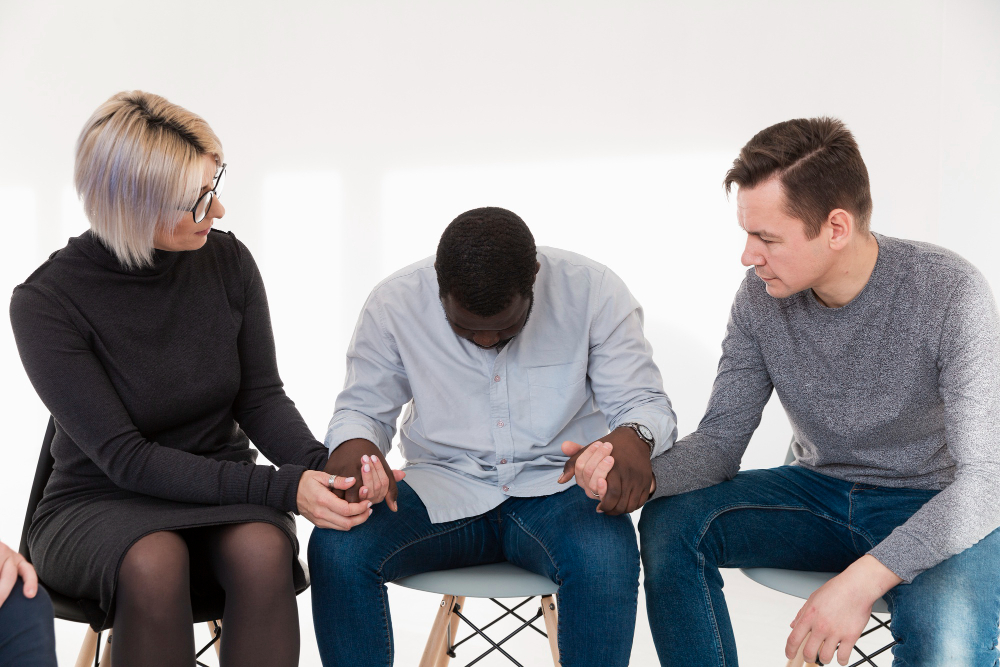
Many partners benefit significantly from EMDR (Eye Movement Desensitization and Reprocessing) therapy during this phase. EMDR is particularly effective at reducing the intensity of intrusive thoughts, emotional flooding, and traumatic memory activation. Individual therapy provides the primary space for this processing work. Partner support groups offer community and connection with others who understand the experience from the inside, reducing the isolation that is one of betrayal trauma’s most damaging features.
Rebuilding or Releasing
After stabilization and processing, partners face the question of the relationship’s future. Some partners choose to remain in the relationship and commit to a process of rebuilding, particularly when the person in addiction is genuinely engaged in their own recovery and is demonstrating the willingness to be accountable and transparent. Others determine that the relationship cannot or should not continue. Both outcomes are valid. Partner recovery does not depend on staying in the relationship. It depends on the partner doing their own healing work and reaching their own informed decisions from a stable and supported place.
What Kind of Therapy Helps With Betrayal Trauma?
Several therapeutic approaches have demonstrated effectiveness with partners experiencing betrayal trauma. Not all therapists are equally equipped to work in this area, and finding a clinician with specific training in sex addiction and relational trauma is important.
- EMDR (Eye Movement Desensitization and Reprocessing): Particularly effective for reducing the intensity of intrusive thoughts, emotional flooding, and traumatic memory activation. Widely used in betrayal trauma treatment and available at specialized residential and intensive outpatient programs.
- Individual trauma-focused therapy: Provides the space and pacing for a partner to process their experience with a trained clinician who understands attachment, relational trauma, and the specific dynamics of sex addiction disclosure.
- Couples therapy with a sex addiction specialist: When both partners are committed to working on the relationship and the person in addiction is engaged in their own recovery, couples therapy with a clinician trained in both sex addiction and betrayal trauma can support the rebuilding process. Standard couples therapy without this specialization is not appropriate in the early stages.
- Partner support groups: Peer support from others navigating the same experience reduces isolation, provides practical wisdom, and helps partners understand that their responses are normal. Groups such as S-Anon and COSA are available in many communities.
- Somatic and body-based therapies: Trauma is held in the body as well as the mind, and body-based approaches can address physiological aspects of the trauma response that talk therapy alone may not fully reach.
Individual Psychotherapy | Marital and Family Therapy
Can a Relationship Survive Betrayal Trauma?
Many relationships do. Research and clinical experience both confirm that recovery is possible for couples navigating sex addiction and betrayal trauma, provided several specific conditions are in place.
The person in addiction must be genuinely committed to their own recovery, including pursuing residential or intensive treatment when indicated. They must be willing to take full accountability for the harm caused, without minimizing or deflecting. They must demonstrate the kind of honesty and transparency that makes a partner’s healing possible, rather than just the cessation of behavior. And the couple must work with a clinician trained in both sex addiction recovery and betrayal trauma, since standard couples therapy can inadvertently cause harm when used prematurely or without this specialization.
When these conditions are in place, many couples find that the process of recovery, difficult as it is, creates a more honest and deeply connected relationship than what existed before the disclosure. This is not a guaranteed outcome, and it is not a reason to stay in a situation that is unsafe or in which the conditions for recovery are not present. But it is a genuine possibility that clinical experience documents with meaningful consistency.
Related reading: Effective Relapse Prevention for Relationship Recovery | Partner and Spouse Support
You Deserve Support Too
If you are a partner reading this, it is likely that the majority of your attention and energy in recent weeks or months has been directed outward. Toward your spouse’s recovery, toward protecting your children, toward holding the family together, toward deciding what to do. In that process, your own needs may have gone consistently unmet.
Your healing matters. Not as a secondary concern after everything else is handled. Your trauma is real. The symptoms you are experiencing are not signs that you are unstable, overly sensitive, or unable to cope. They are predictable responses to an extraordinary violation of trust. They deserve the same clinical attention and compassionate support as any other trauma.
Paradise Creek Recovery’s residential program includes specific resources for partners and spouses of individuals in treatment. Our team works with the full family system, not only the person admitted to our program. If your spouse is considering or already in treatment, we can help you understand what support is available for you throughout that process.
If you are a partner navigating the aftermath of betrayal trauma, you deserve support too. Our admissions team can help you understand what treatment looks like and how Paradise Creek Recovery supports the entire family system. Contact us for a confidential conversation.