
Recovery involves healing both the brain and body. Inpatient sexual addiction treatment combines evidence-based therapy with healthy daily routines that support brain plasticity, helping residents develop stronger emotional regulation, healthier thinking patterns, and improved decision-making. Physical movement and outdoor activities play an important role in reinforcing these positive neurological changes throughout residential care.
The Connection Between Exercise and Brain Health
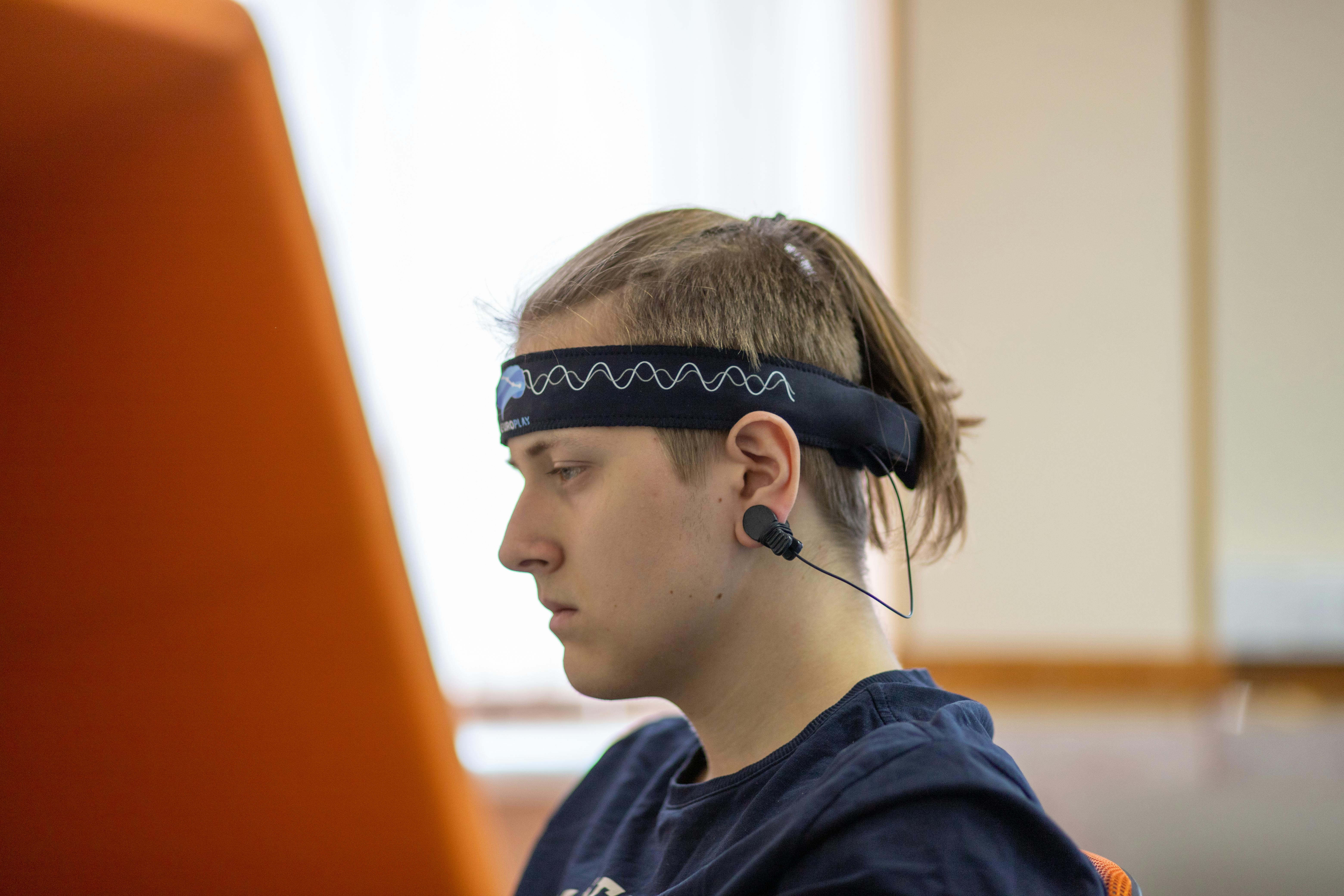
Brain plasticity refers to the brain’s ability to adapt and form new neural pathways through repeated healthy experiences. Regular physical activity increases blood flow, supports healthy brain function, and encourages the release of chemicals associated with improved mood, focus, and emotional stability.
Walking, strength training, stretching, and other structured fitness activities help reduce stress while improving sleep quality and energy levels. These physical benefits create conditions that make therapeutic learning more effective during treatment sessions.
Nature and Structured Daily Routines
Time spent in peaceful outdoor settings can help reduce anxiety and improve concentration. A structured residential environment encourages residents to disconnect from unhealthy distractions while developing healthier daily habits through consistent schedules and meaningful activities.
Combining physical exercise with counseling, group therapy, educational sessions, and personal reflection allows residents to practice healthier responses throughout each day. Repetition strengthens these new habits, supporting long-term behavioral change after residential treatment concludes.
Healthy routines also improve confidence as residents recognize steady progress in both physical wellness and emotional resilience. These positive experiences reinforce commitment to recovery while strengthening overall well-being.
Supporting Long-Term Sobriety
Physical fitness is not simply an additional activity during treatment. It becomes part of a comprehensive recovery plan that strengthens coping skills, reduces stress, and supports continued neurological healing. Maintaining these healthy habits after treatment helps reinforce the progress made during residential care.
Build Healthier Habits That Last
Recovery becomes stronger when physical wellness and emotional healing work together every day. If you are considering sexual addiction inpatient programs or treatment programs, Paradise Creek Recovery Center offers a six-week residential treatment program in Idaho, combining structured clinical care, physical wellness, and evidence-based therapies that support lasting recovery and healthier lifelong habits. Contact us today or call (855) 305-6002.