
Most people looking into sexual addiction inpatient programs focus on the clinical methods used inside the building. Few ask what is happening outside of it. At Paradise Creek Recovery Center, set deep in the agricultural quiet of Malta, Idaho, the surrounding environment is a deliberate clinical choice — not a backdrop. The research on neuroplastic recovery in low-stimulation natural settings is clear: geography matters.
What Your Brain Does When the Noise Stops
Urban environments keep the nervous system in a near-constant state of low-grade alert. Traffic sounds, screen notifications, crowded spaces, and social performance demands all activate the amygdala and elevate cortisol. In people recovering from compulsive sexual behavior, this baseline stress state is not neutral — it directly interferes with the prefrontal cortex regulation needed for recovery. Research published in peer-reviewed environmental health journals confirms that exposure to natural environments measurably reduces cortisol and amygdala activation within hours. Removing the stimulus removes the interference.
Neuroplasticity Requires a Different Environment
Recovery from compulsive sexual behavior is fundamentally a neurological process. The brain must build new response pathways in place of deeply ingrained ones — a process neuroscientists call neuroplasticity. That rewiring is significantly harder to sustain in the same environments that reinforced the original behavior. Physical distance from habitual digital triggers, familiar relationships, and routine stress patterns creates the neurological space for new pathways to form. Studies on environmental enrichment and cognitive recovery confirm that low-threat natural settings directly support synaptic change and sustained emotional regulation.
Daily Rhythms in a Low-Stimulus Environment
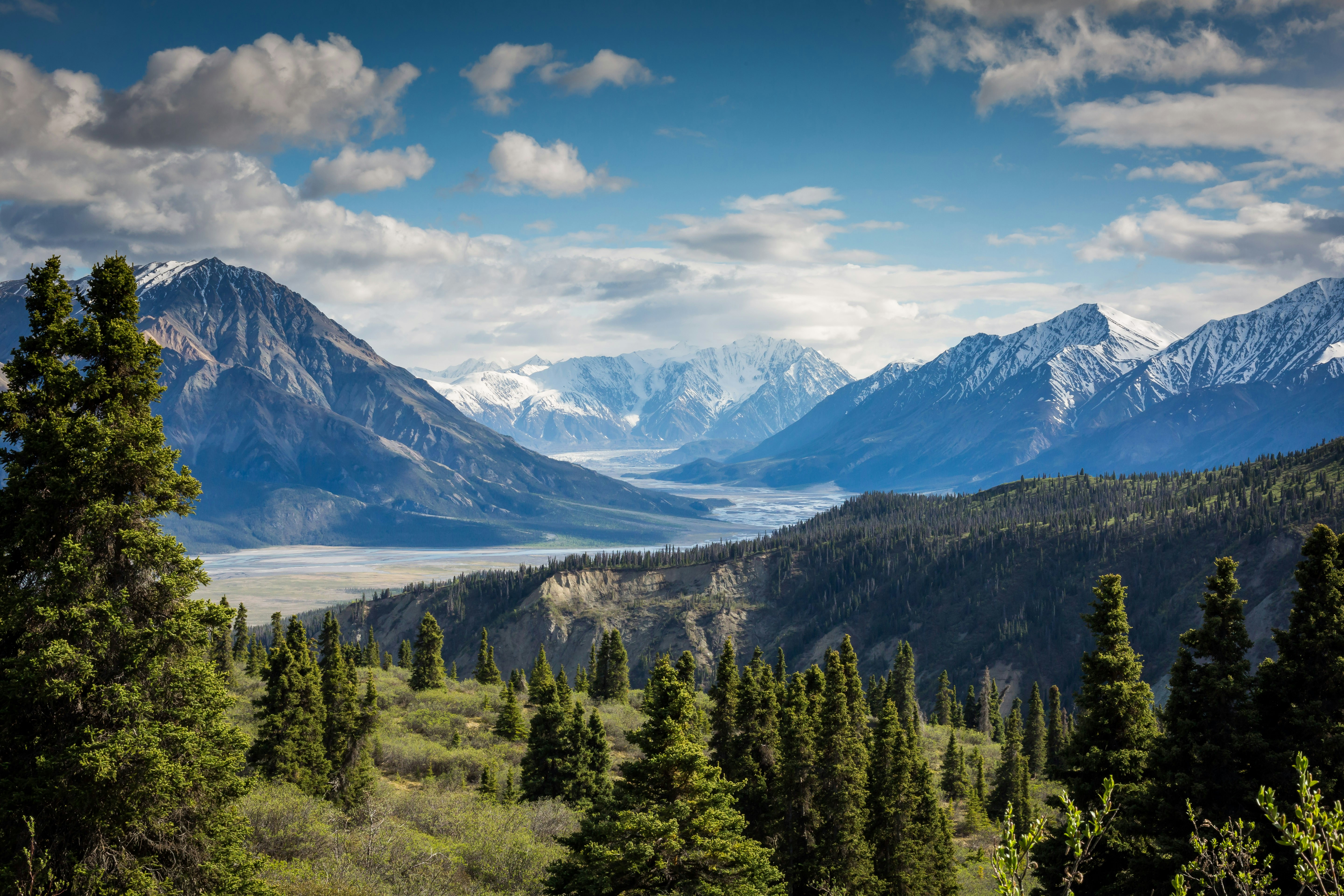
The recovery schedule at our facility includes daily structured outdoor time — not as an amenity, but as a clinical component. Morning walks through the surrounding agricultural land, exposure to natural light cycles, and the absence of ambient urban noise give the prefrontal cortex the conditions it needs to operate without suppression. The brain does not recover on command. It recovers when the conditions are right. Our environment is built to create those conditions from day one.
What Our Setting Provides That Most Programs Cannot
Our facility sits in the Snake River Plain, surrounded by open agricultural land, low population density, and direct access to quiet outdoor space. Residents are removed from the environments where compulsive behavior developed — from the devices, the anonymity, and the constant connectivity that feed escalation cycles. The absence of urban distraction is not a feature of rural life. For recovery from sexual addiction, it is a clinical variable. The setting gives your nervous system what most treatment facilities cannot: genuine quiet.
Choose a Setting That Works With Your Biology
The location of a treatment program is not separate from its clinical quality. For anyone dealing with compulsive sexual behavior, remote inpatient treatment, a structured residential environment, and access to natural surroundings are not optional extras — they are conditions that directly affect the biology of recovery. If you are ready to step away from the environments that reinforce the cycle, reach out to Paradise Creek Recovery Center. Our natural recovery setting in Malta, Idaho, is ready to support the next step.