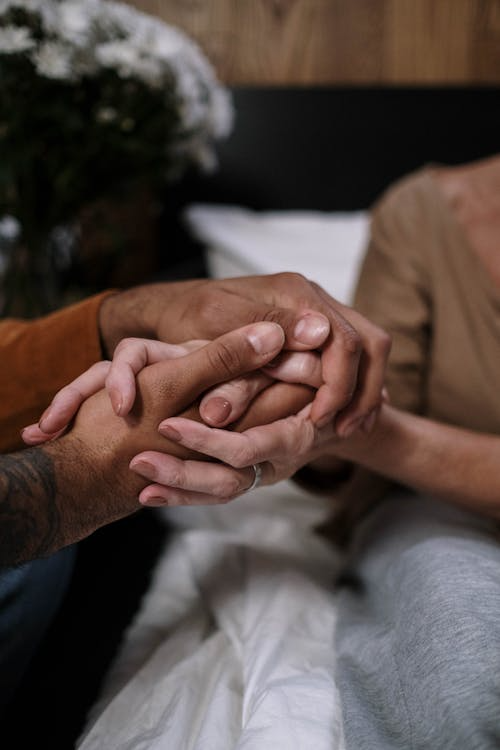
There’s something profoundly human about rediscovering connection after the chaos of sex addiction—or compulsive sexual behavior, as many of us know it. When we begin the journey toward healing, we’re not just seeking to stop behaviours; we’re looking to feel safe again, to be seen, and to rebuild the tenderness that addiction so often shattered.
To start, acknowledging betrayal trauma and the emotional wounds left in its wake is vital. References like Forbes highlight how isolation erodes trust and disrupts relationships, insisting that human connection is medicine—especially in recovery. At our program, we create a living community—together around campfires or through group therapy—where authenticity and vulnerability are not just encouraged; they’re the backbone of healing.
Shame fuels secrecy and isolation, but accountability builds trust. We guide clients (always women at our center) through this shift, helping them understand that it’s not about being perfect—it’s about rebuilding with integrity. In therapy sessions, clients learn to distinguish between self-judgment and true responsibility, repairing relationships without falling into shame spirals.
Breaking free from isolation opens the door to healthier, more authentic relationships.
Recovery isn't just mental; it’s neurological. Programs that include EMDR and biofeedback allow us to rewire stress responses and cravings—real physiological patterns—so clients can better regulate their emotions and availability in relationships. These tools don't just change the brain; they change how we show up in love.
Trust often feels abstract—until you're thirty feet up on a ropes course, relying on someone to catch you. That’s why we integrate experiential group therapy, ropes course work, art, campfires, and music. These moments teach relational courage and emotional safety—skills that translate directly to domestic intimacy.
Couples and family therapy are essential. We don’t treat your partner, but we actively invite them into the process via virtual sessions, offering healing not just for our clients but for the systems around them. These sessions help rebuild communication, foster empathy, and gently reestablish emotional safety.
For those navigating legal systems—especially in cases involving offending behavior or online pornography—healing must be precise, credible, and trauma-informed. Our 6-week inpatient program is tailor-made for these situations, tailoring treatment to align with legal needs, offering documentation, and supporting defense attorneys by bridging clinical progress with court requirements.
Somatic awareness, emotional regulation, and relational courage, combined with structured, expert-led programming, give clients a chance to heal intimacy from the inside out. It isn’t about going back to who you once were—it’s about becoming someone new, trustworthy, and emotionally available. And in that process, love finds its way back—deeper, more honest, and more authentic than before.
Do you struggle with compulsive sexual behaviors? You’re not alone. Many people struggle, and the right addiction treatment centers in Idaho or sexual addiction treatment centers can be life-changing. Paradise Creek Recovery Center, located near City of Rocks National Reserve, offers tailored inpatient sexual addiction treatment and pornography addiction rehab with compassionate care. Our renowned staff specializes in porn addiction treatment in Idaho, integrating mindfulness, adventure therapy, and trauma-informed approaches to help you rebuild trust and heal relationships. Call now to start rebuilding your life—and your connections.