
Protecting Your Career and Reputation From Your Very First Call

The single most common reason people delay reaching out to sex addiction treatment centers is fear — specifically, the fear that seeking help will put their career, relationships, or reputation at risk. At Paradise Creek Recovery Center, we treat professional confidentiality as a non-negotiable clinical standard, not an afterthought. Before you make your first call, you should […]
The Biological Benefits of Disconnecting in a Secluded Rural Environment

Most people looking into sexual addiction inpatient programs focus on the clinical methods used inside the building. Few ask what is happening outside of it. At Paradise Creek Recovery Center, set deep in the agricultural quiet of Malta, Idaho, the surrounding environment is a deliberate clinical choice — not a backdrop. The research on neuroplastic recovery in […]
Physical Fitness and Brain Plasticity in Structured Residential Care Environments
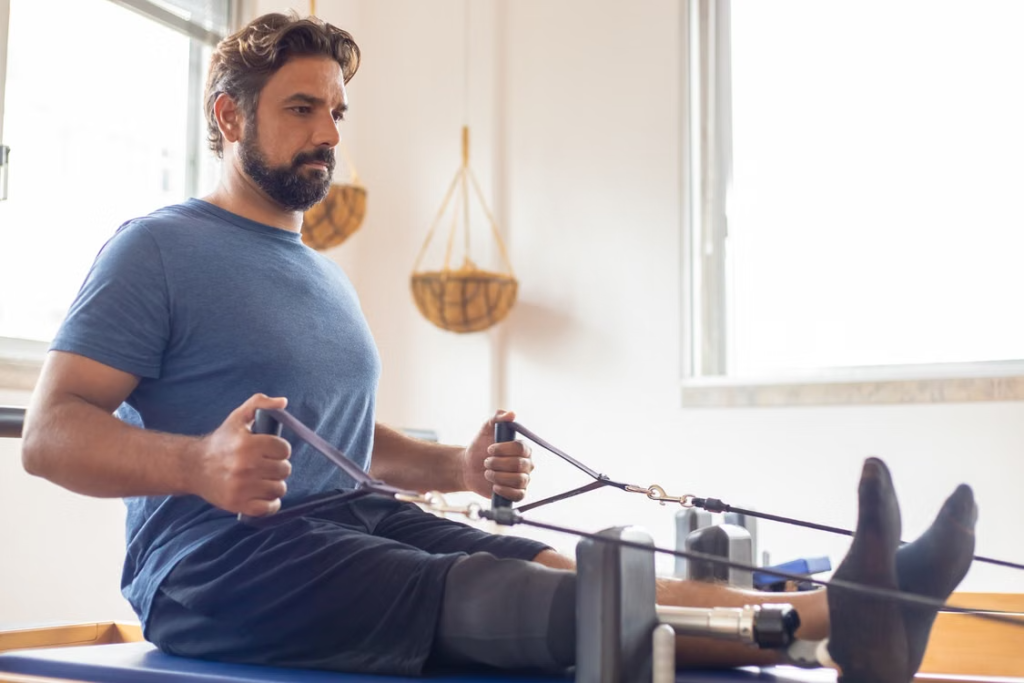
Recovery involves healing both the brain and body. Inpatient sexual addiction treatment combines evidence-based therapy with healthy daily routines that support brain plasticity, helping residents develop stronger emotional regulation, healthier thinking patterns, and improved decision-making. Physical movement and outdoor activities play an important role in reinforcing these positive neurological changes throughout residential care. The Connection Between […]
How the 30-Task Model Provides an Exact Clinical Roadmap to Lasting Integrity

Recovery requires more than stopping unhealthy behaviors. A sexual addiction rehabilitation center helps residents build lasting integrity through structured clinical methods that strengthen accountability, emotional awareness, and responsible decision-making. One example is the 30-Task Model, a step-by-step framework designed to guide meaningful personal change while supporting long-term recovery. Building Self-Awareness Through Structured Tasks The 30-Task Model […]
Navigating Intense Shame and Guilt During Your First Week of Residential Treatment

The first days of rehab for sex addiction often bring powerful emotions that have been hidden for months or years. Many residents experience shame, guilt, fear, and uncertainty as they begin facing behaviors that affected themselves and others. These feelings are common and can become an important part of meaningful recovery when addressed with professional support. […]
Clinical Differences Between Online Pornography Dependency and Physical Sexual Behaviors

Many people assume online pornography dependency and physical sexual behaviors require identical treatment, but important clinical differences exist. Porn addiction rehabilitation often focuses on compulsive digital habits, while pornography treatment inpatient centers may also address trauma, emotional regulation, and unhealthy coping patterns that contribute to repetitive online behavior. Recognizing these differences helps clinicians select therapies that better […]
Healing From Betrayal Trauma by Understanding Partner Emotional Safety Protocols

Healing after betrayal affects both partners in different ways. Therapy for betrayal inpatient trauma helps individuals understand how broken trust can create emotional responses similar to post-traumatic stress. Inpatient sexual addiction treatment also teaches residents practical ways to support their partner’s emotional safety throughout long-term recovery. Learning to respond with patience, honesty, empathy, and consistent accountability helps […]
Effective Relapse Prevention Strategies for Sustained Marital and Relationship Recovery

Healing relationships after residential treatment requires consistent effort from both partners. Couples therapy for sex addiction can strengthen communication, rebuild trust, and support healthy routines that reduce relapse risk after returning home. Recovery continues through daily choices that reinforce accountability and emotional connection. Maintaining regular support, honest conversations, shared goals, and healthy boundaries helps couples respond […]
Utilizing Neurofeedback Technology to Manage Physiological Stress and Anxiety Triggers
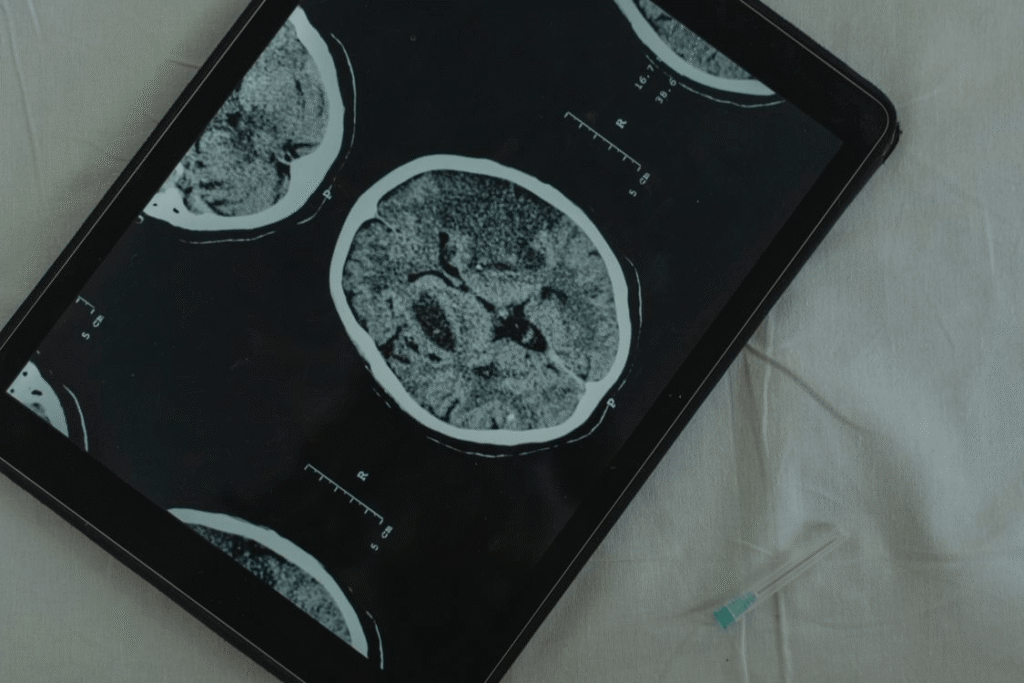
Many sex addiction treatment programs incorporate brain-based therapies to help individuals better regulate emotional and physical stress responses. Inpatient sexual addiction treatment may also include neuro-feedback technology, giving residents practical tools to recognize and reduce automatic reactions linked to anxiety, compulsive behaviors, and past emotional experiences. These measurable improvements help residents better understand how emotional distress affects […]
Warning Signs of Progressive Sexual Compulsion and Digital Escalation Patterns

Many people benefit from sexual addiction recovery programs after recognizing that compulsive behaviors have moved beyond occasional habits. Families often notice gradual changes before the individual acknowledges a growing problem. Paying attention to these warning signs can encourage timely support and reduce long-term emotional, relational, and neurological effects. Early recognition also creates opportunities for honest conversations, […]